India's Heatwave: A $159 Billion Bottleneck Nobody's Fixing
Explore India's heatwave impact on its economy, power grid, and agriculture. Understand the bottlenecks and challenges. Get the full analysis from The Squirrels.
The Scorching Truth: Productivity Meltdown
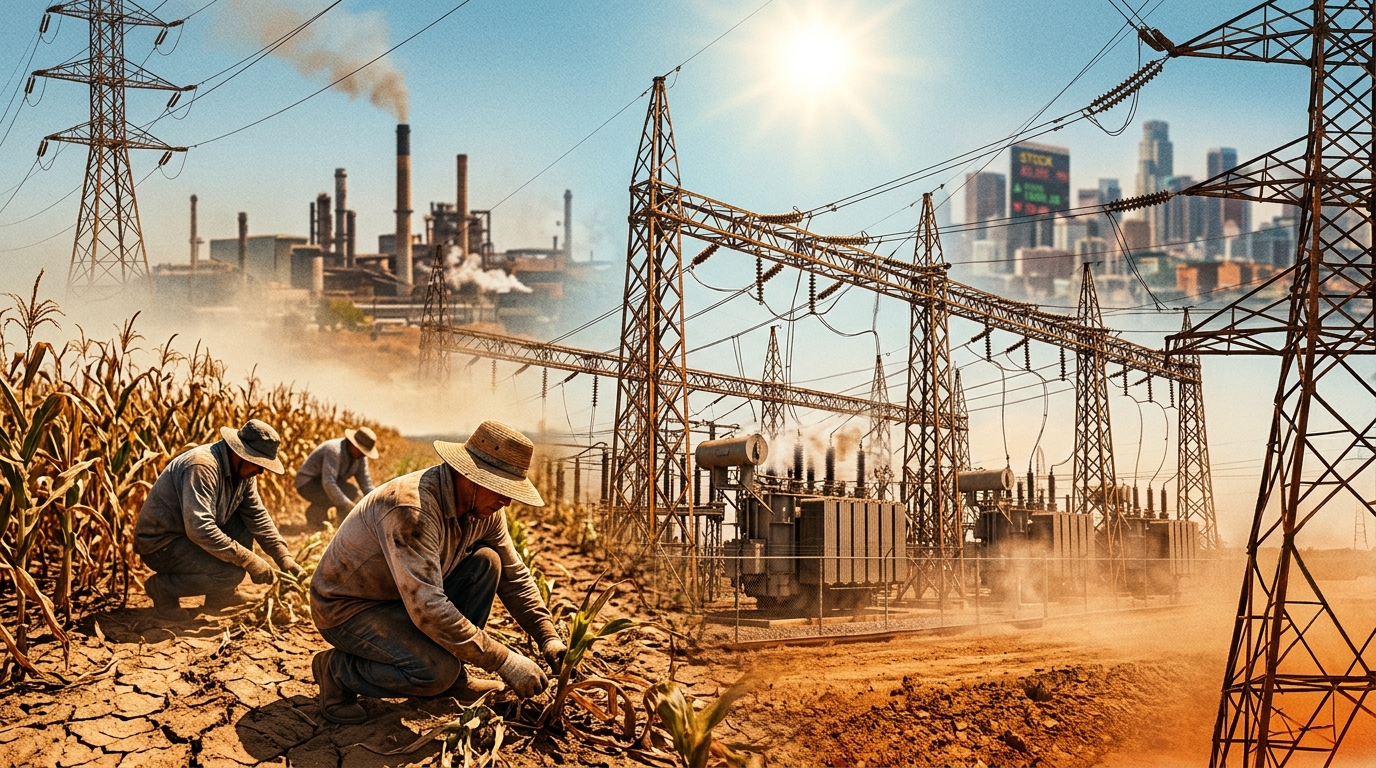
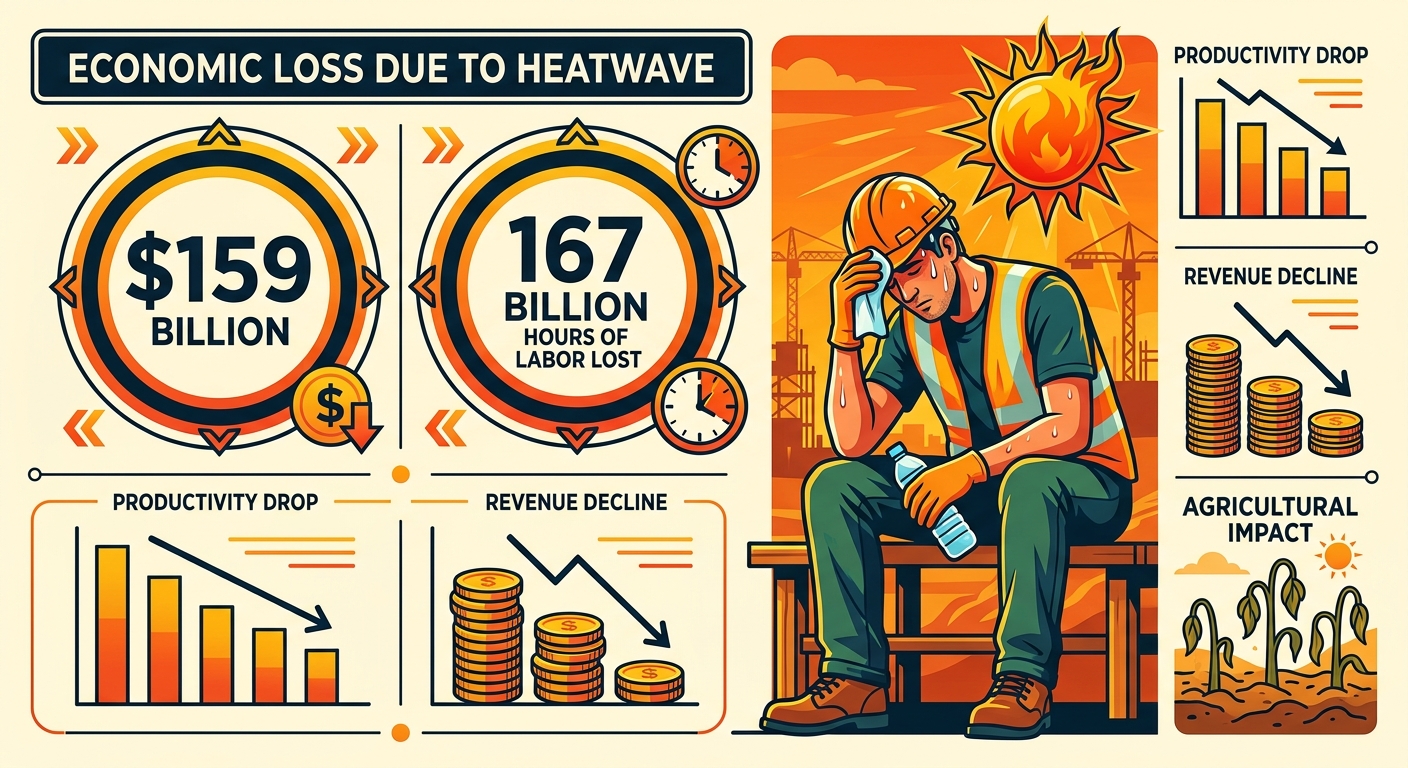
India's relentless heatwaves are not merely an inconvenience; they are a direct assault on the nation's economic productivity. In 2021 alone, studies indicate India lost an astonishing 167 billion hours of potential labor due to extreme heat. Let me repeat that: 167 billion hours. This translates to an economic loss of USD 159 billion, marking a significant 39% increase from the 1990s.
This isn't just about discomfort; it's about a fundamental bottleneck. The informal sector, which employs over 80% of India's workforce, bears the brunt. During intense heatwaves, earnings in this sector can plummet by as much as 40%. Even indoor workers in manufacturing and services face a 12% loss in daily working time. The implications are clear: a significant portion of India’s workforce is literally losing its ability to contribute, directly impacting household incomes and national output.
Consider this: India could lose the equivalent of 35 million full-time jobs and experience a 4.5% reduction in GDP by 2030 if current trends persist. This isn't a forecast of some distant climate catastrophe; it's a projection based on present-day realities. Historical parallels aren't hard to find. Rapid industrialization in other emerging economies often hit similar human capital walls, albeit from different causes. For India, the heat is a tangible, quantifiable drag on its human engine.
Agriculture and Industry: Melting Margins
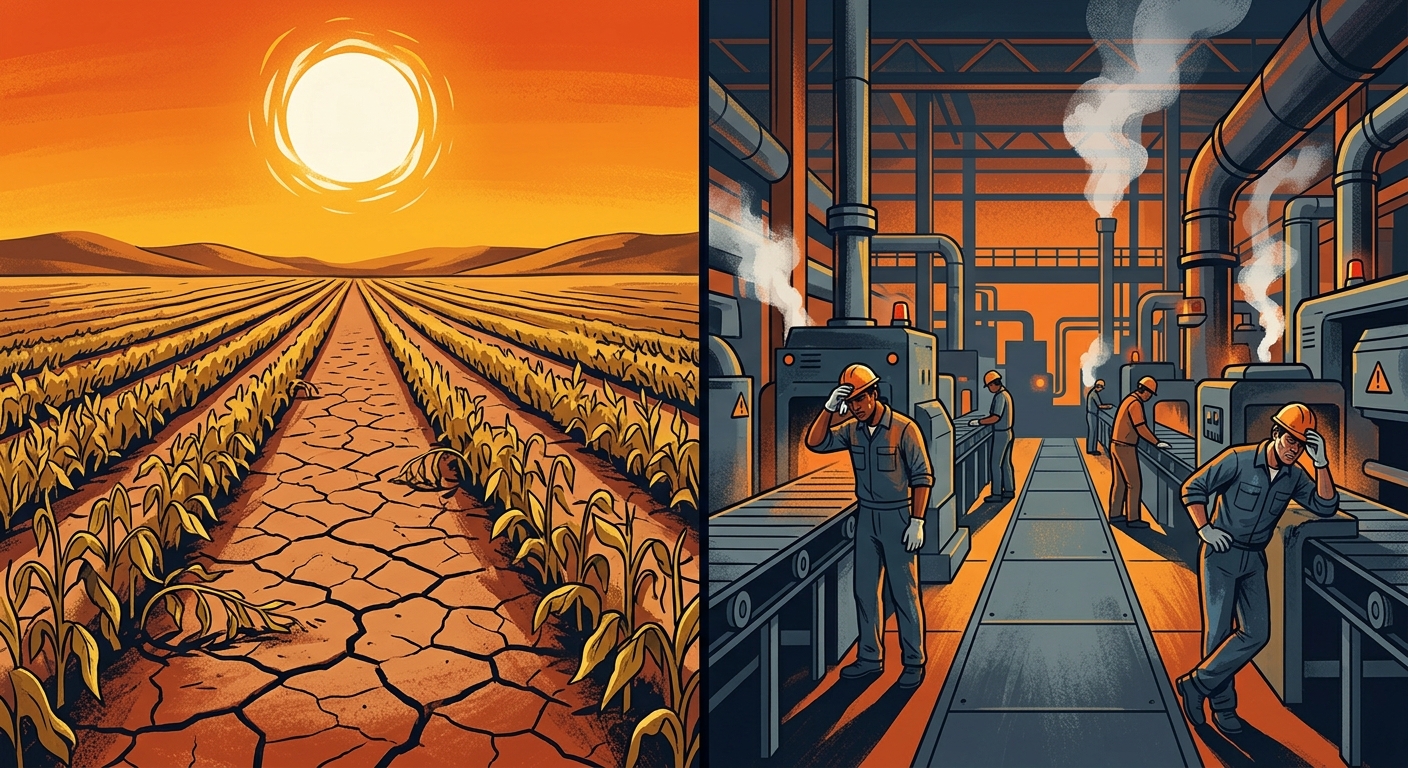
The economic pain extends far beyond labor productivity. Agriculture, the bedrock of rural India, is acutely vulnerable. In 2022, heatwaves precipitated significant declines in the yields of critical crops like kinnow, chickpea, and wheat. This isn't just about farmers' livelihoods; it triggers a cascade effect, contributing directly to food inflation, particularly for essential vegetables, squeezing the budgets of millions of households across the country. Ask yourself, folks, can an economy truly ascend when its foundational sectors are consistently melting under extreme temperatures?
Even the formal manufacturing sector, often seen as more resilient, is not immune. Reports suggest an output loss of approximately 2% for every one-degree Celsius rise in annual temperature. While this might seem marginal, the cumulative effect across hundreds of factories and production cycles is substantial. The increased demand for cooling systems across these sectors also pushes up electricity consumption, often leading to power cuts that further disrupt industrial activity, creating a vicious cycle.
Beyond direct output, the fiscal implications are profound. A shrinking tax base, due to declining output and reduced earnings, coupled with the necessity for increased government expenditure on adaptation measures and social insurance, places immense pressure on public finances. This isn't just a weather story; it's a story of systemic economic erosion.
The Grid's Breaking Point: A 59% Surge
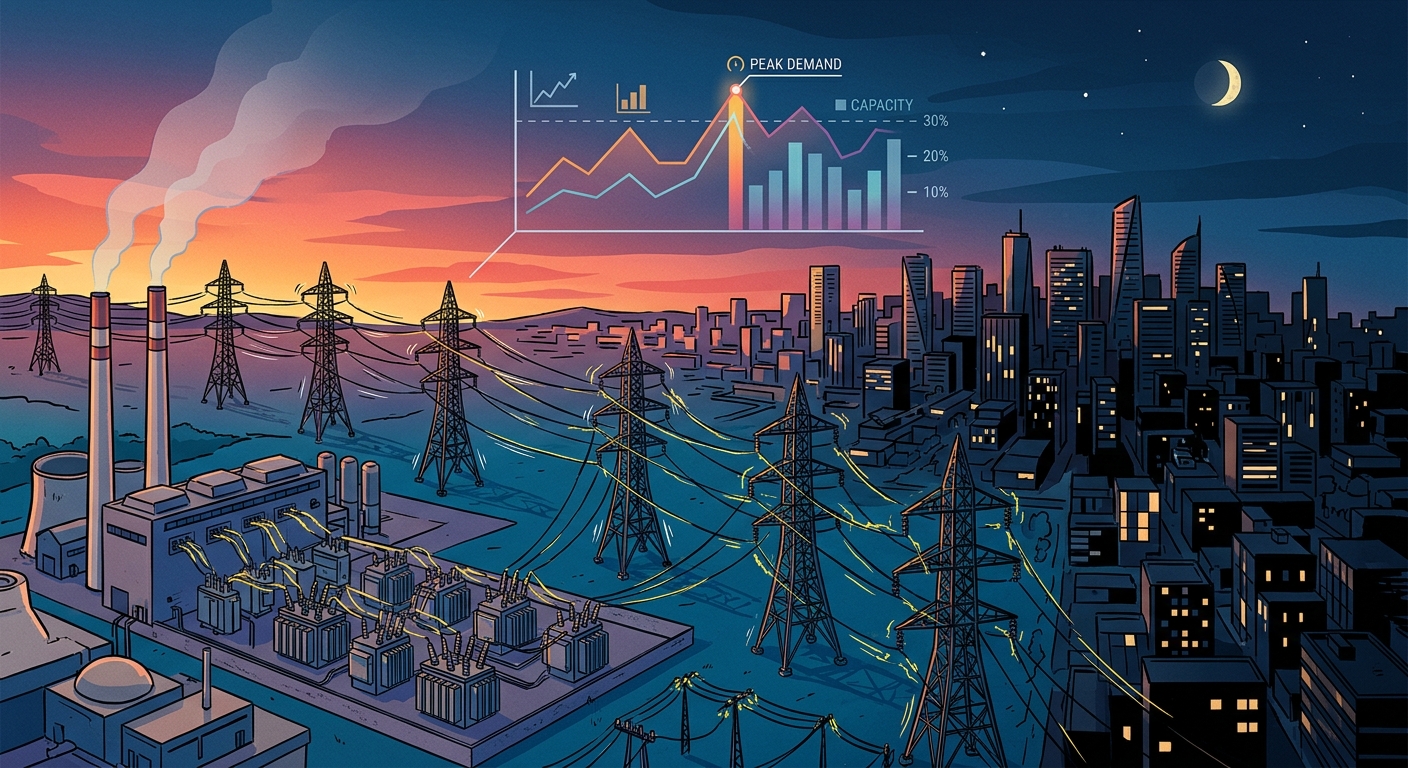
As temperatures soar, so does India's electricity demand, primarily driven by the ubiquitous need for cooling. This isn't a gradual climb; it's a massive surge that pushes the nation's power grid to its absolute limits. In 2024, peak power demand in India jumped to a historic 246 GW, a staggering 59% increase from 2015 levels. Projections suggest this could hit around 270 GW during the summer months of 2026. This isn't just a number; it represents millions of air conditioners, fans, and industrial cooling units running simultaneously, all drawing from a finite and often strained supply.
India's power infrastructure, frankly, struggles to keep pace. The result? Overloaded grids, frequent power outages, and widespread disruptions. In 2022, an astonishing 66% of the country experienced power outages. During heatwaves, the duration of these outages can increase by 15-60%. This isn't just an inconvenience for households; it's a critical impediment to economic activity, halting production lines, disrupting services, and impacting daily commerce. The early onset of intense heatwaves means these demand peaks are arriving unusually early in the season, catching power systems off guard and reducing the buffer for proactive measures. The last time India faced such widespread grid stress was the 2012 blackout, but then, the triggers were different; today, the climate is a direct, recurring antagonist.
The 'Heat-Power Trap' and Financial Faultlines
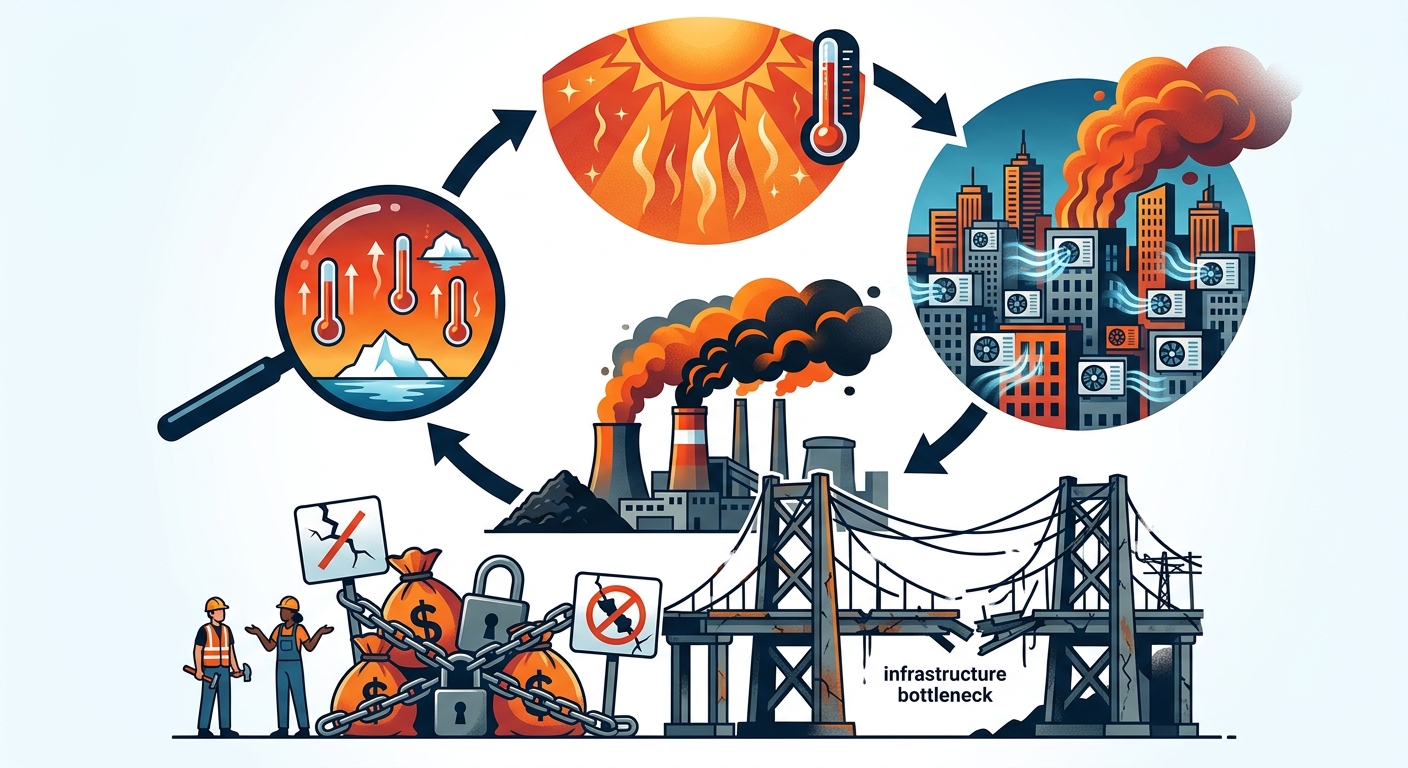
To meet this surging demand, India's power grid relies heavily on coal-fired power plants. This creates what analysts term the 'heat-power trap': increased coal burning leads to higher emissions, which in turn exacerbates global warming, potentially causing even more intense heatwaves in the future. It's a self-reinforcing cycle of environmental degradation and infrastructural stress. The question worth asking is: are we simply patching symptoms, or addressing the root cause?
Compounding this are significant operational challenges. Extreme heat reduces the efficiency of not just thermal plants but also solar and wind installations. Transmission and distribution networks themselves suffer reduced capacity, increased faults, and require costly, frequent maintenance. Sudden demand surges are a nightmare for grid operators, necessitating robust reserves and sophisticated demand response mechanisms, which are often underdeveloped.
At the heart of this vulnerability lies a deeper, systemic issue: the weak financial health of India's power distribution sector. Significant deficits hinder the necessary investments in grid resilience, upgrades, and the transition to more sustainable, less heat-vulnerable energy sources. This isn't about a lack of will; it's about a structural financial faultline that prevents the necessary modernization and adaptation. Without addressing these underlying financial constraints, the grid will continue to buckle under the increasing pressure of a warming climate.
Some might argue that these are merely temporary, seasonal fluctuations, manageable with incremental adjustments or a good monsoon. This perspective, however, dangerously underestimates the systemic nature of the challenge. The evidence points to a clear trend: heatwaves are becoming more frequent, more intense, and starting earlier in the year. The 39% increase in labor hours lost since the 1990s is not a seasonal blip; it's a compounding, structural problem.
To dismiss the economic and infrastructural strain as simply 'summer issues' is to ignore the cumulative damage. The consistent erosion of labor productivity, the repeated blows to agricultural yields, and the annual stress tests on the power grid are not isolated incidents. They are becoming the norm, building up chronic vulnerabilities that undermine India's long-term growth prospects. The notion that a developing economy, aspiring to global leadership, can simply absorb these annual shocks without fundamental changes is, frankly, an illusion. This is not about managing a hot summer; it's about confronting a new, harsher climate reality that demands a strategic, not tactical, response.
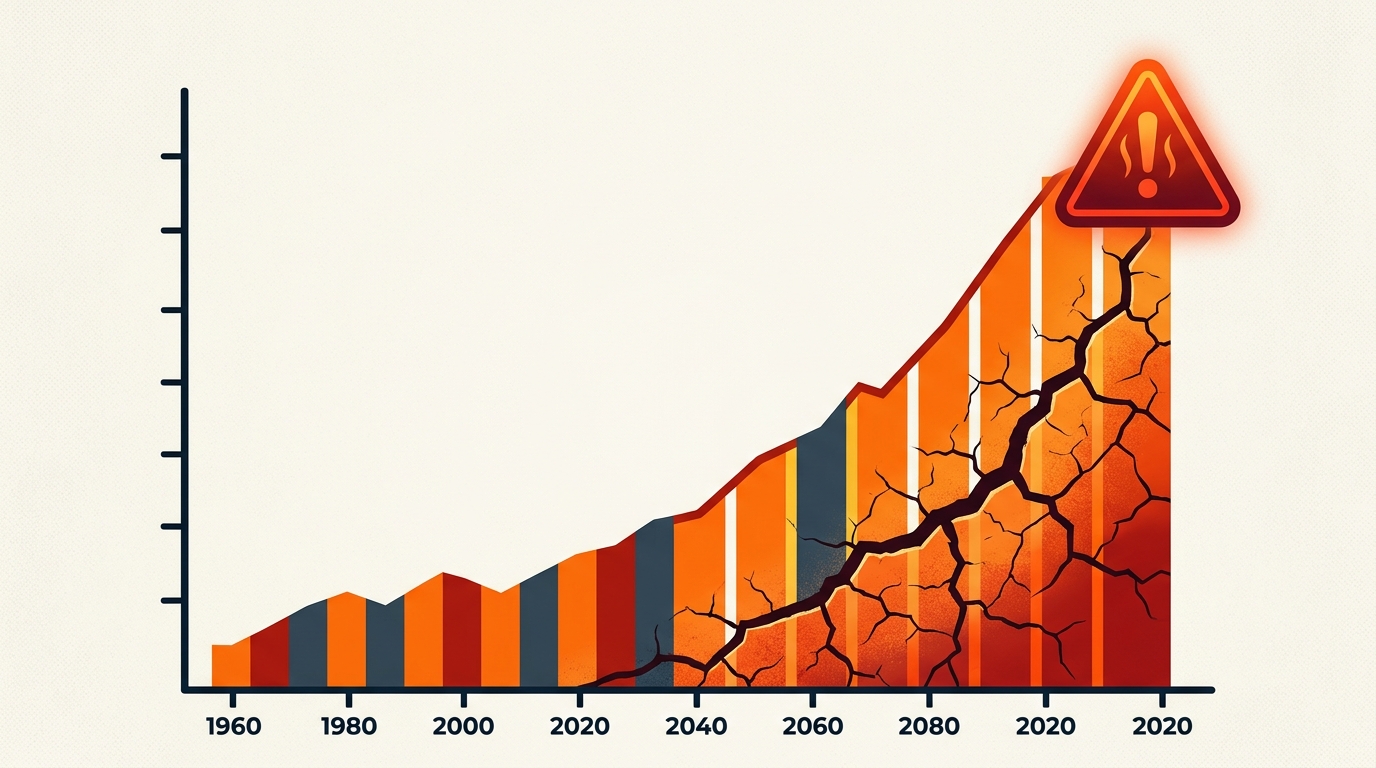
India's heatwaves are not a mere meteorological event; they are a profound, systemic bottleneck. They are actively draining economic productivity, crippling key sectors, and pushing critical infrastructure to its breaking point. The 'heat-power trap' and the financial frailties of the distribution sector only perpetuate this cycle, locking India into a trajectory of vulnerability. The question for Delhi, and indeed for India's ambitious future, is this: can a nation truly become the world's third-largest economy if its foundational systems are constantly melting under the sun?
_This analysis was generated by ShowNoMore's editorial intelligence system. Views expressed are analytical perspectives based on available information._